
The Grandparents diet
Nov 14, 2025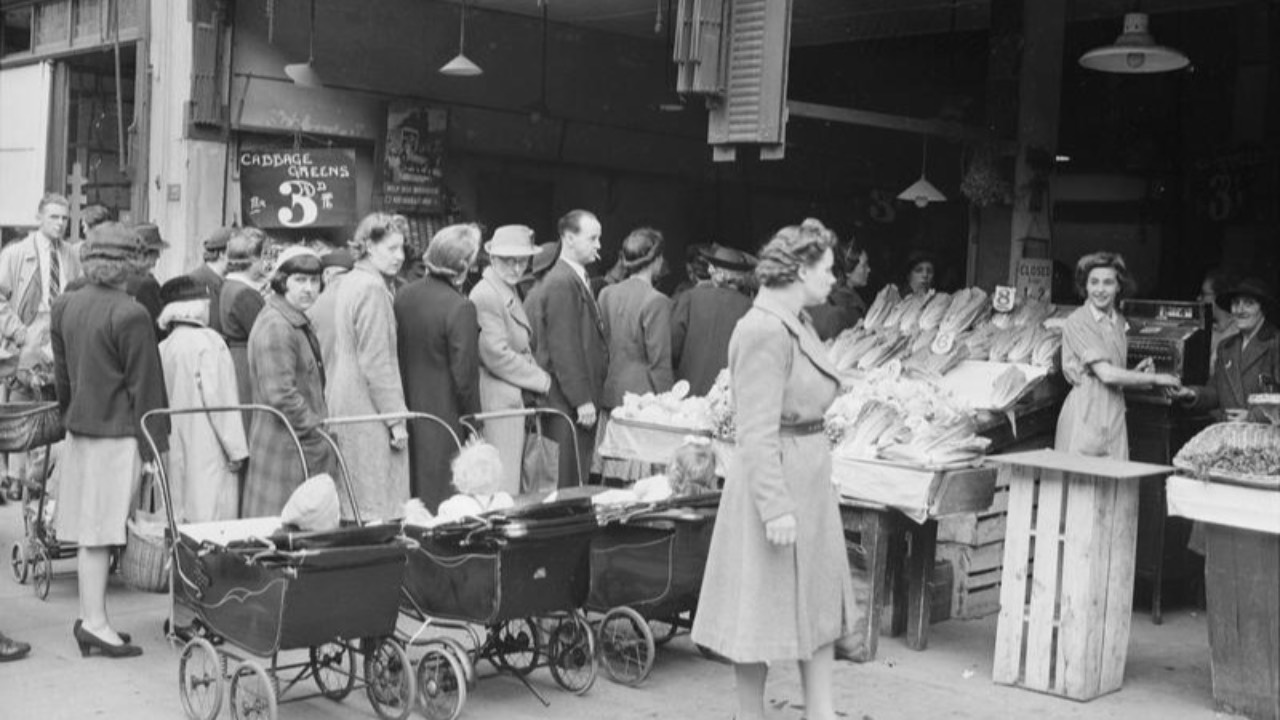
The Grandparents’ Diet
In what can only be described as a nutritional arms race, we’re being pulled from pillar to post by giant food companies, all fighting for our attention with clever marketing.
You’ve seen it products claiming to be “high in protein”, “great for gut health”, or “packed with vitamins”. There’s a myriad of these items out there, each promising health outcomes that are often far from realistic.
The truth? Nearly all these foods are processed, and in many cases, ultra-processed, designed to last longer on your shelf and cost less to produce.
That means more profit for the companies, not more health for you.
Your wellbeing isn’t their priority. Their bottom line is.
But amidst all this noise, there’s actually a simple solution, one that lies with the people you call Nan and Grandad: the grandparents.
If yours are still around, they’re probably in their late 80s or 90s and part of what’s known as The Silent Generation.
They grew up during and after the Second World War, in an era that valued obedience, duty, and respect for authority. After years of hardship, stability was prized over rebellion.
Many lived under food rationing until July 1954, nearly nine years after the war ended. Did they complain like today’s youth? HELL NO. They just got on with it.
So, why are these golden oldies the answer to many of our nutritional problems today?
Because when it comes to food, if there’s an ingredient on the label that your grandparents wouldn’t recognise, chances are it shouldn’t have a place in your body.
Back then, food was simple. Here’s what a typical weekly ration looked like:
WWII UK Rationing at a Glance (1942–45)
Typical Weekly Adult Allowance
|
Item |
Amount |
|
🧈 Butter |
2 oz (55 g) |
|
🧀 Cheese |
2 oz |
|
🥓 Bacon/Ham |
4 oz |
|
🍖 Meat |
~1 lb (450 g) |
|
🥚 Eggs |
1 fresh egg |
|
🥛 Milk |
3 pints (1.7 L) |
|
☕️ Tea |
2 oz |
|
🍬 Sugar |
8 oz (225 g) |
|
🍫 Sweets/Chocolate |
2 oz |
|
🍞 Bread |
Not rationed during war (1946–48 only) |
|
🥔 Veg & Potatoes |
Unrationed but limited |
You’ll notice you recognise every single item on that list — and some we’ve been led to believe are “bad” for us. Even bread was there, and when it’s made simply with four ingredients, it’s perfectly fine.
Fruit and veg were often home-grown and seasonal.
Eating seasonal vegetables is one of the simplest ways to support your health all year long. Nature provides exactly what your body needs at each time of year — light, detoxifying greens in spring; hydrating, antioxidant-rich produce in summer; grounding root vegetables and immune-boosting greens in autumn; and hearty, warming veg like leeks, onions, and parsnips in winter. Seasonal eating not only delivers fresher, more nutrient-dense food, but it also supports gut health and natural immunity, keeping you strong and energised throughout the year.
Notice how on these lists — and in those seasonal foods — there are no vitamins, minerals, or magic pills.
They weren’t needed.
And guess what? Rates of chronic illness were far lower back then too.
Yes, the world has moved on.
Yes, we’ve grown bigger as a nation.
Yes, we may live longer — but not necessarily healthier.
So next time you’re shopping or preparing a meal, pause and ask yourself:
Would my grandparents recognise what’s in this?
If not — what would they have done instead?
I run a Nutritional Masterclass four times a year where we often look back to the wisdom of our grandparents’ generation. If you’d like to learn more, or need a little help simplifying your nutrition, drop me an email.
Stay low, move fast.
Luke